Applications / Industries
We support a variety of industries focused on high performanc imaging.
Overview
Diffraction Limited develops imaging systems for applications where performance is constrained by low signal levels, thermal effects, data bandwidth, or environmental conditions.
Our experience in astronomy imaging—one of the most demanding imaging domains—provides a strong foundation for solving challenging problems across a range of scientific and industrial applications.
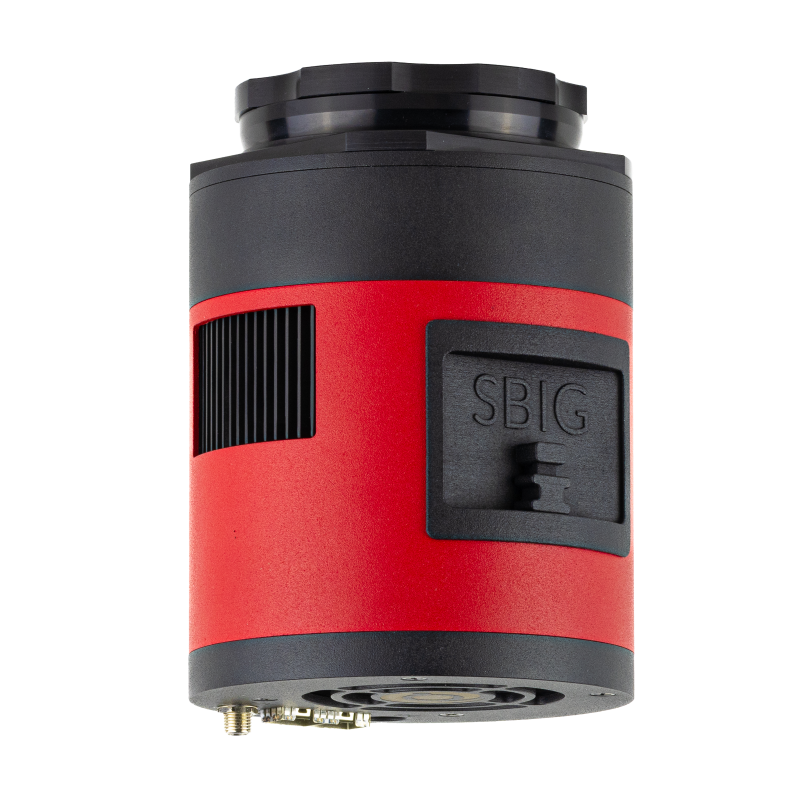
Astronomy & Space Imaging
Astronomy imaging operates at the limits of detectability, requiring systems that can capture extremely faint signals over long exposure times with high stability.
Key technical requirements:
- Photon-limited signal detection
- Ultra-low noise performance
- Long exposure stability
- Precise thermal regulation
Typical solutions:
- Deep-cooled imaging systems
- Low-noise analog front-end design
- Calibration and control systems
Example applications:
- Observatory imaging systems
- Research-grade astronomical instruments
- SmallSat and balloon-borne observatory instruments
Medical & Life Sciences Imaging
Many medical and life science applications require detection of extremely low light levels or indirect optical signals.
Key technical requirements:
- High sensitivity and low noise
- Reliable signal detection in low-light conditions
- Stable, repeatable performance
Typical solutions:
- Low-noise imaging systems optimized for faint signals
- Sensor selection and optimization for application-specific detection
- Integrated control and data acquisition
Example applications:
- Scintillation-based detection systems
- Fluorescence and low-light imaging
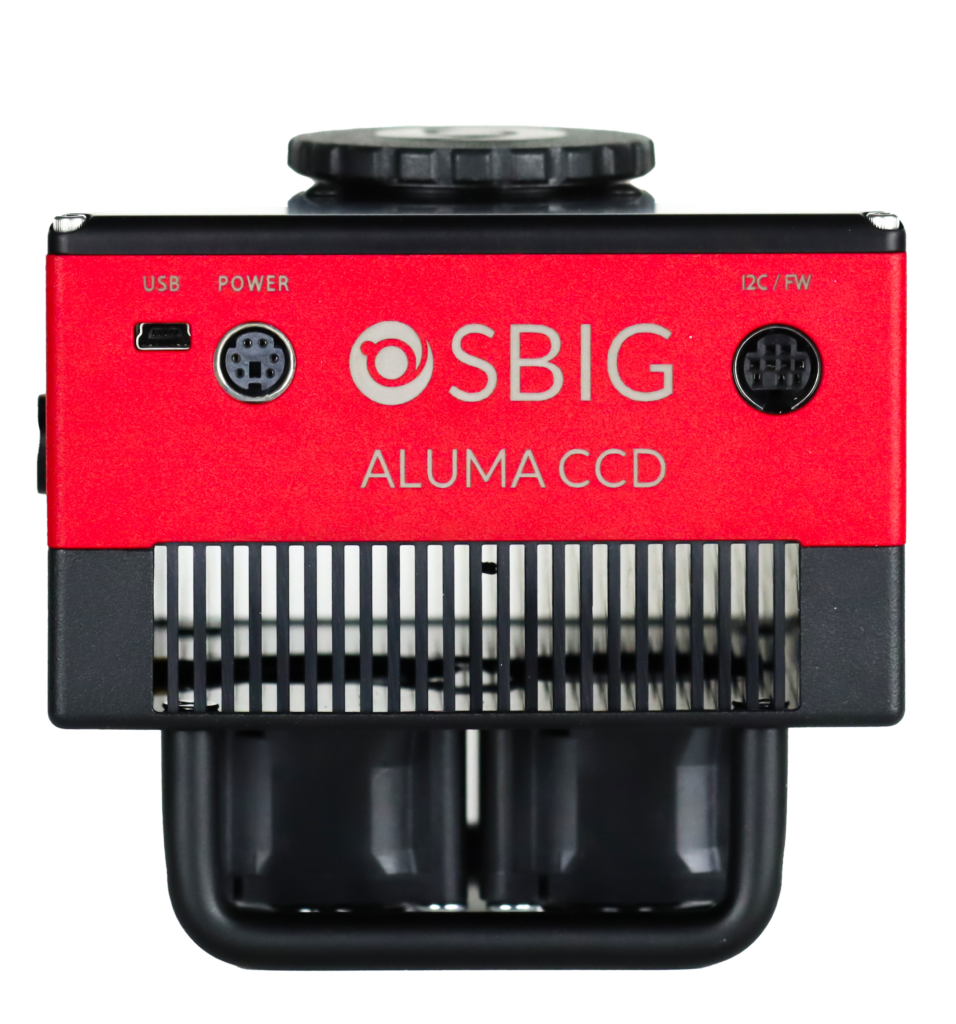
Remote & Environmental Monitoring
Outdoor imaging systems must operate reliably over long periods with minimal maintenance in changing environmental conditions.
Key technical requirements:
- Wide operating temperature range
- Long-term stability and reliability
- Autonomous operation
- Environmental protection
Typical solutions:
- Thermally managed outdoor systems
- Environmental sealing and protection
- Integrated sensing and control electronics
Example applications:
- Cloud and sky monitoring systems
- Remote sensing installations
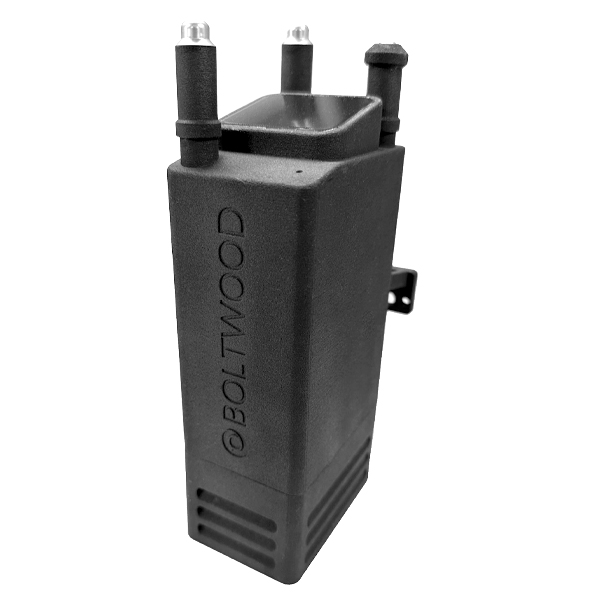
Advanced Imaging (SWIR / IR / Specialized Sensors)
Specialized imaging applications often involve non-visible wavelengths and require careful system-level optimization.
Key technical requirements:
- Sensor-specific integration challenges
- Thermal management for noise reduction
- Low-signal detection
- High-speed data acquisition
Typical solutions:
- Custom sensor interface electronics
- FPGA-based data acquisition systems
- Thermal stabilization and control
Example applications:
- SWIR imaging systems
- Infrared and specialized sensor platforms
High-Speed & Data-Intensive Imaging
Some applications require capturing and transferring large volumes of data in real time.
Key technical requirements:
- High data throughput
- Deterministic timing and synchronization
- Reliable continuous acquisition
Typical solutions:
- FPGA-based acquisition pipelines
- Memory buffering and streaming architectures
- High-speed interfaces (Ethernet, custom links)
Example applications:
- Real-time imaging systems
- High-bandwidth sensor platforms
Common Technical Themes
Across these industries, imaging systems often face similar challenges:
- Detecting low signal levels in noisy environments
- Managing thermal effects that impact performance
- Handling high data rates and system bandwidth
- Ensuring stability and repeatability over time
- Integrating multiple subsystems into a cohesive design
Our system-level approach ensures these challenges are addressed holistically.
Discuss Your Application
If your application involves challenging imaging requirements—whether low-light detection, thermal constraints, or high-speed data acquisition—we can help define and implement the right solution.
Use the Contact Form below to start the discussion.