Optical Space Domain Awareness encompasses more than detecting objects in orbit.
Imaging systems can be used to determine accurate positions and trajectories, measure brightness and variability, characterize objects, and collect information that can help distinguish one object from another
Work with usLarge-format scientific CMOS arrays
GPS-referenced image timestamps
SFP+ fibre to the processing rack
Cameras in a single delivered array
Diffraction Limited designs and manufactures high-performance imaging systems for optical Space Domain Awareness (SDA).
Our imaging platforms combine large-format, high-sensitivity scientific CMOS sensors with low-noise electronics, precise GPS-based image timing, high-speed 10 Gigabit Ethernet connectivity, regulated cooling, and flexible system integration.
Systems can be deployed as individual cameras, synchronized multi-camera instruments, or as part of larger distributed sensor networks.
Our cameras provide the image data and precise timing required by downstream SDA processing and analysis systems.
Diffraction imaging systems support applications including:
Accurate knowledge of exactly when an image was acquired is essential for many SDA applications. Position measurements without corresponding accurate time information cannot provide the precision required for high-quality orbit determination. This requires precision timing to be integrated directly into the imaging system.
For multi-camera systems, Diffraction's Aluma AC cameras support PTP protocol. This allows an accurate master clock to be distributed to multiple cameras. For single-instrument systems Diffraction’s ATU-1 GPS-referenced timing system can provide image timestamps with 0.1 ms precision.
Aluma AC cameras also support multi-camera synchronization via external trigger. The trigger can be an external electrical signal, a specific timestamp via PTP, or a specific timestamp via GPS. Using the trigger mechanism, multiple cameras can be synchronized to within approximately 50 nanoseconds.
This capability supports applications including:
This architecture can scale from a small multi-band instrument to larger specialized imaging systems. Our array-imaging experience includes systems utilizing more than 1,200 cameras.
Field of view is set by the optics and the detector together. Increasing sensor area is often the fastest way to widen the instantaneous field a given telescope can survey.
Our platforms span 61 to 151 megapixels, so system designers can trade sensor area against acquisition rate, cost, and data volume — and take a standard camera as supplied or adapt it to the mechanical, thermal, electrical, network, and software requirements around it.
A large-format scientific CMOS platform with powerful regulated cooling and 10 Gigabit fibre output, deployable as supplied or as the basis for a program-specific build. The 102 megapixel Aluma AC461 covers larger telescopes with a 44 × 33 mm image area.
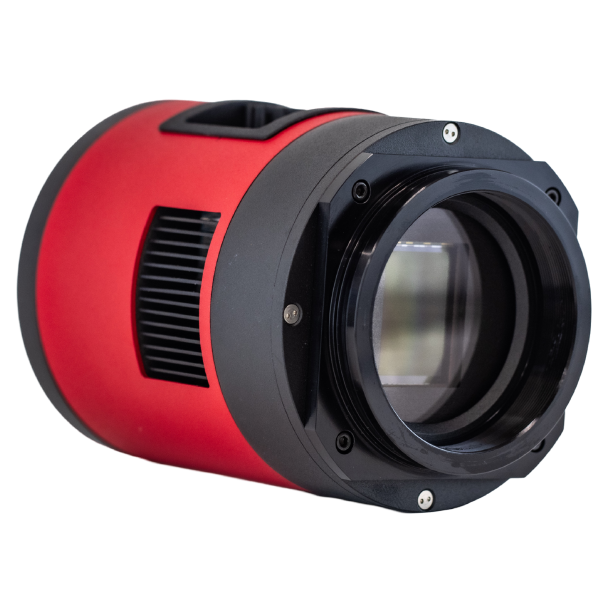
Aluma AC455 61 Megapixel Imaging Camera
Multiple cameras observe one object through different filters and expose together. Comparing reflected sunlight across bands builds a spectral profile that can point to surface materials and other characteristics.
For a tumbling or fast-moving object, that simultaneity is the whole point: a filter wheel cycling through bands gives you four measurements of four different moments.
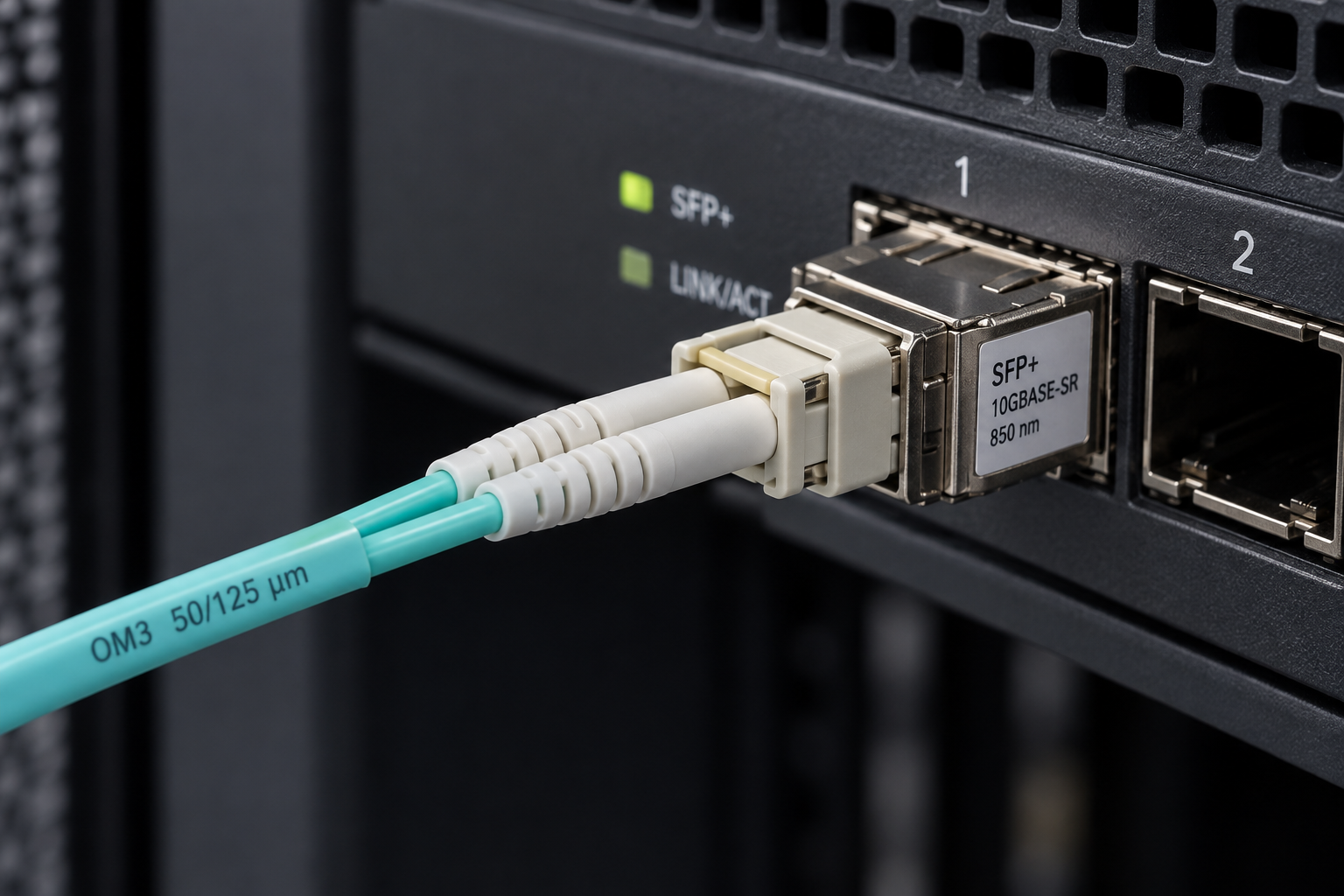
Large-format cameras produce a lot of data, and several running at once produce much more. Fibre Ethernet moves it hundreds of metres, isolates the telescope electrically, and shrugs off interference — where short-reach peripheral interfaces simply cannot go.
Cameras join ordinary network infrastructure, so acquisition and processing can sit wherever the system design wants them.
SDA sensors are usually installed somewhere inconvenient and run with minimal intervention. Our platforms draw on more than 30 years of building cooled scientific cameras for observatories.
Enclosures, cooling configurations, mechanical interfaces, and remote-operation behaviour can all be adapted to the site.

Programs rarely start where they finish. Existing platforms give you a fast route to a prototype; hardware, firmware, software, mechanics, and thermals can then be adapted for production.
Diffraction has taken advanced imaging systems from engineering prototypes into controlled volume production — which is where consistency, calibration, and configuration control start to matter more than any single specification.
Sensor integration, low-noise electronics, FPGA design, embedded firmware, high-speed communications, thermal engineering, mechanical design, and application software all sit inside one organization. That is what lets us optimize the complete imaging system, and adapt a proven platform when a program needs something a catalogue camera cannot do.
We work directly with telescope manufacturers, system integrators, research organizations and organizations developing optical Space Domain Awareness systems.
Whether you are selecting a focal plane for a new tracking telescope, developing a precisely timed astrometric system, designing a synchronized multi-band instrument, or planning a distributed optical sensor network, our engineering team can help determine the appropriate imaging architecture.
Tell us about your telescope, field-of-view requirements, acquisition rate, timing requirements, operating environment, and expected number of cameras. Our engineering team can help evaluate the appropriate imaging platform and integration approach.